Where the genre began
In 1984, Capcom released 1942 into Japanese arcades: a vertically scrolling warplane shooter where a lone P-38 Lightning fought waves of enemy aircraft over the Pacific. It was not the first scrolling shooter, but it codified the loop — one plane, endless waves, a power-up economy and a screen you read from bottom to top.
1943, 1944 and the Battle of Midway sequels followed, each layering in boss encounters, charged shots and co-operative play. The template they set has barely changed because it did not need to: the loop is close to perfect.
What arcade design got right
Arcade shooters were built to earn coins, which meant instant readability. Enemy patterns had to be fair, deaths had to feel like your fault, and the next run had to be one coin away. That discipline is why the genre translates to phones better than almost any other — short sessions, honest difficulty, controls a thumb can learn.
1940 in the modern era
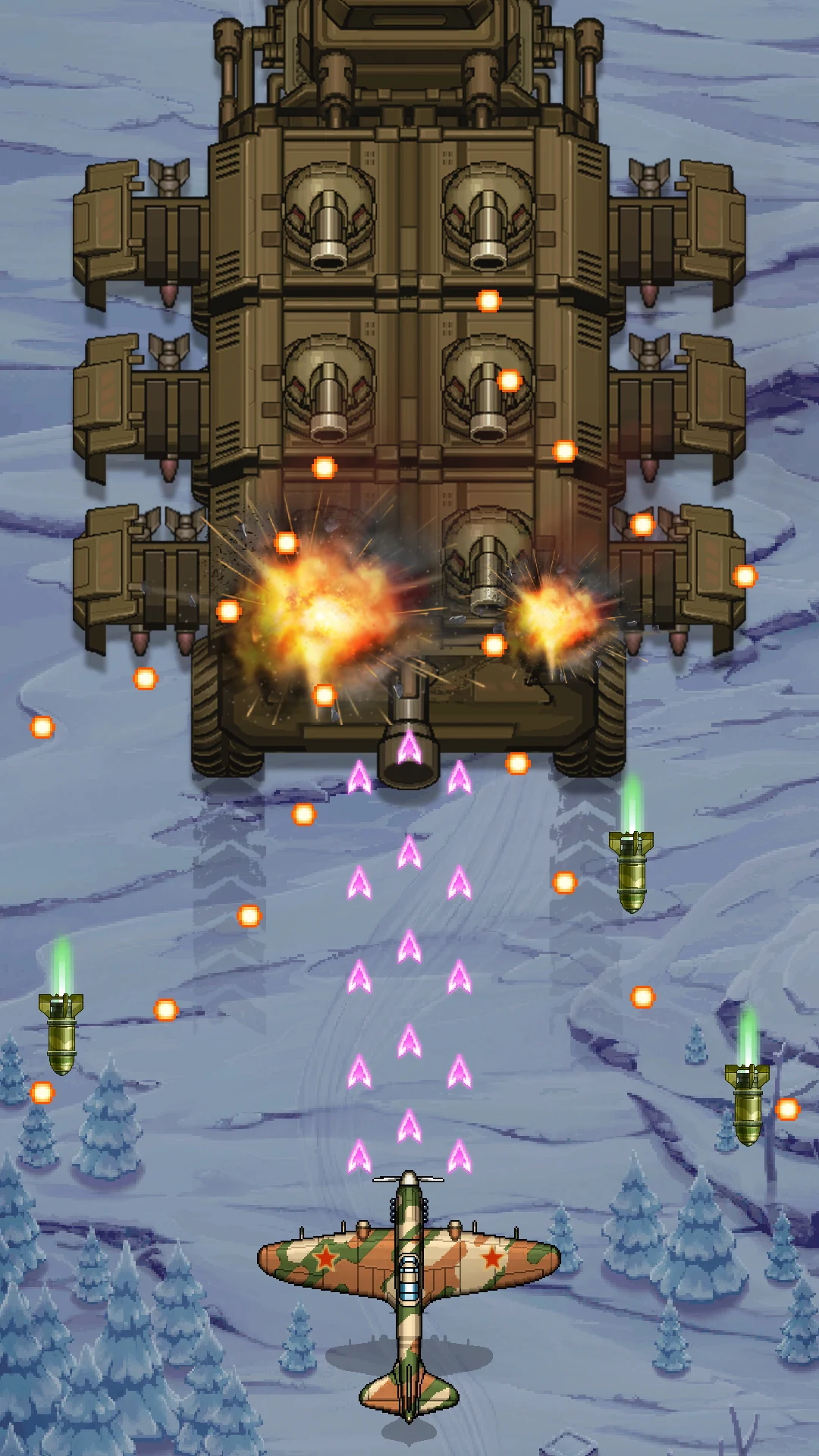
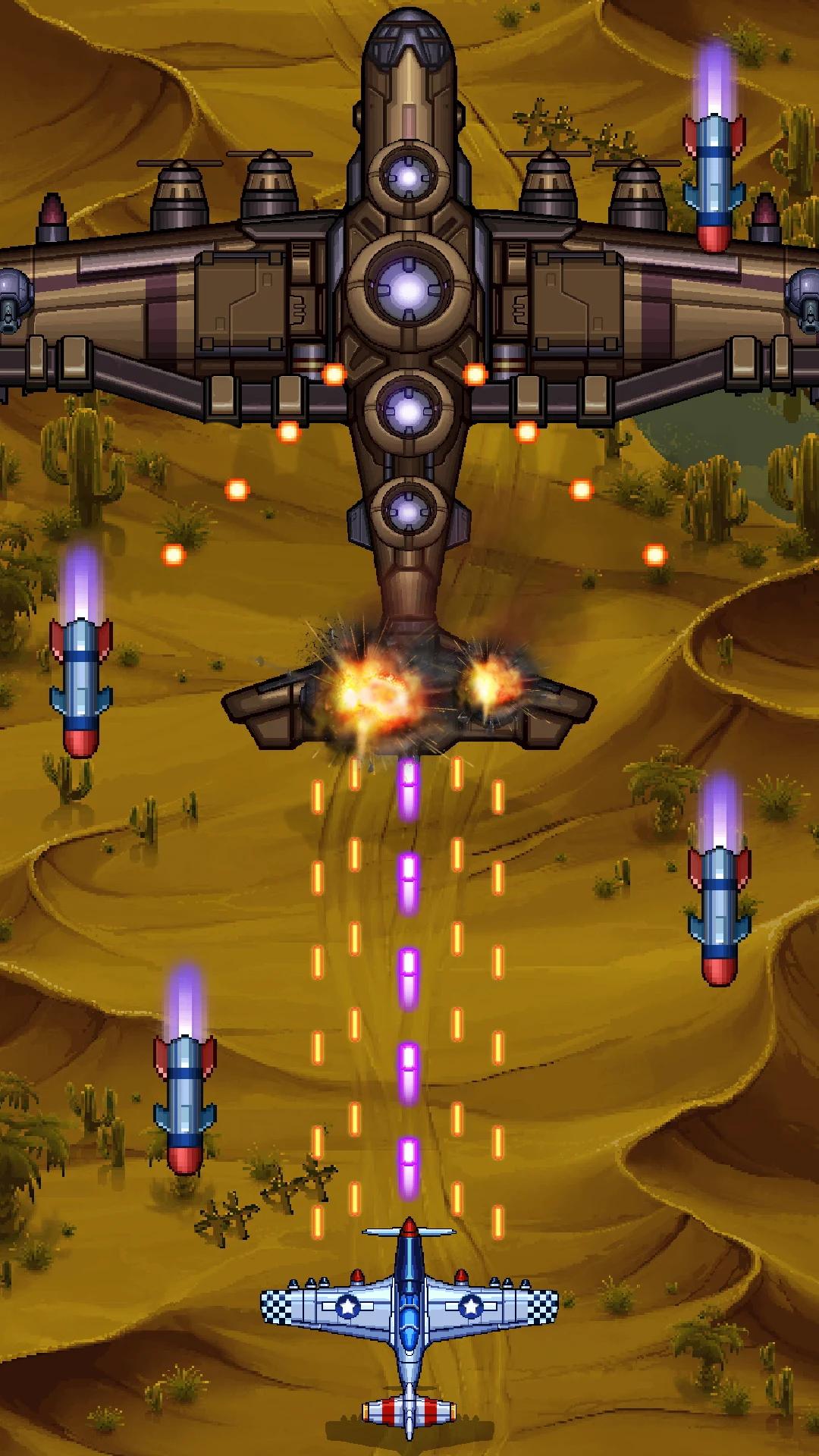
1940 - Arcade Shooting Game sits firmly in this lineage but reads like a modern mobile title. The campaign is short-burst, bosses telegraph fairly on a small screen, and the unlock economy gives every run a reason to exist — the missing ingredient old arcade boards never needed.
Where it departs from tradition is scale: dozens of warplanes, a hangar progression system and community events that the arcade originals could never have supported.
Why it still works
Stripping games down leaves the ones with a real loop standing. A top-down shooter is twenty seconds of fun repeated with escalating stakes, and 1940's designers clearly understand that — new modes are layered on top of the core dodge-and-shoot rhythm rather than replacing it.
The Australian connection
Australia kept arcade shooters alive through the 90s in fish-and-chip shop cabinets and bowling alleys. This hub exists partly because so many of our members grew up on exactly those machines — the nostalgia is earned, not manufactured.